Cancer upends routines and rearranges priorities. Appointments fill calendars, side effects occupy mornings, and uncertainty slips into quiet moments. In that swirl, stress is not just an unpleasant companion. It can affect appetite, sleep, pain perception, immune signaling, and how people engage with treatment. Integrative oncology meets that reality with practical tools that align mind, body, and clinical care. The goal is not to promise the impossible, but to help people feel more steady, more resourced, and more able to steer through the medical plan that still sits at the center.
I have watched patients change the texture of a day with five minutes of breathwork before chemotherapy, or settle nausea by combining prescribed medication with guided imagery that speaks to their lived experience. None of this replaces surgery, chemotherapy, radiation, targeted therapy, or immunotherapy. Rather, it recognizes that humans do better when the nervous system is less reactive and when they have some agency over how they meet stress.
What integrative oncology means when stress is the target
Integrative oncology brings evidence-based complementary therapies into conventional cancer care. An integrative oncology clinic typically coordinates services like acupuncture, yoga therapy, contemplative practices, oncology nutrition, music therapy, and psycho-oncology, making sure they dovetail with active treatment rather than conflict with it. The integrative oncology approach is practical: reduce symptom burden, improve adherence, and enhance quality of life during and after treatment.
Stress management sits near the core of any integrative oncology program. Elevated sympathetic tone shows up in clinics all the time. Heart rates run high, blood pressure spikes, gut motility notes its displeasure, and sleep shortens. Over weeks and months, that state can amplify fatigue and pain, nudge inflammatory markers, and strain relationships. Integrative oncology services that target the mind-body connection help dial down those signals without suppressing the alertness people need to make good decisions and stay safe.
Clinically, this looks like a plan that includes an integrative oncology consultation, either with an integrative oncology physician or a trained practitioner who understands chemotherapy regimens, radiation planning, surgical timelines, and drug-herb interactions. The integrative oncology doctor can recommend specific mind-body therapies, adjust them as treatment evolves, and coordinate with the medical oncologist or radiation oncologist so the patient is not asked to juggle competing advice.
The nervous system lens: why techniques matter
Under stress, the hypothalamic-pituitary-adrenal axis and the sympathetic nervous system set a tone that primes the body to act. That is useful when sprinting across a street. Less helpful when trying to fall asleep after an infusion. Mind-body practices engage the parasympathetic counterweight, particularly via the vagus nerve, improving heart rate variability and downshifting muscle tension and cognitive reactivity. Patients describe it in plain language: their chest loosens, their jaw unclenches, their thoughts stop looping, and they feel less brittle.
None of this is magic. It is training. The value shows up with repetition, and it fits alongside pharmacologic support. Benzodiazepines can help a night or two, but a breathing practice can be used twice a day for weeks without cumulative sedation. The blend is often the point, not an either-or argument.
Breathing as a prescription you can renew daily
Diaphragmatic breathing, sometimes called belly breathing, is the simplest anchor I teach. It gives people a dial they can turn at home, in infusion suites, or right before a scan. For patients with chemotherapy ports, abdominal surgery, or radiation fields that make expansion uncomfortable, we modify positions and timing. The power sits in a consistent, easy-to-remember protocol.
A straightforward pattern that works for most adults is a 4-6 breathing practice. Inhale through the nose to a comfortable count of four, pause briefly, then exhale through pursed lips to a count of six. Five to ten cycles, two to three times per day, often creates tangible change. People who feel dizzy or breathless should shorten the counts, sit upright, and keep the practice gentle. Those with COPD or asthma benefit from instruction from a respiratory therapist or a yoga therapist trained in medical settings.
I keep an eye on two pitfalls. First, over-efforting. For patients already keyed up, turning breathwork into a performance test defeats the aim. Second, breath-holding at high counts. Long holds can tip people into lightheadedness and anxiety. We progress counts gradually and only if the current pattern feels easy.
Mindfulness training that fits inside a treatment plan
Mindfulness is more than an app that chimes. It is the skill of noticing sensations, thoughts, and emotions without chasing them. In integrative cancer care, that skill helps during scans, when waiting for results, and when fatigue collides with family life. Eight-week mindfulness-based programs have been studied in survivors and active patients and consistently show moderate improvements in anxiety, stress, and quality of life. That kind of effect size matters to people who need tools that work across settings.
With patients facing active chemotherapy, I shorten practice blocks to 5 to 12 minutes, paired with a cue they already do, like brushing teeth or warming up tea. A body scan practice often hits the right level: guiding attention from the feet to the crown at a slow pace, then back down. If neuropathy makes feet uncomfortable, we begin higher up the body. For those undergoing radiation therapy, a 3-minute breath and body check before the session helps reduce anticipatory tension. That small change can make the setup easier for therapists and the patient.
Mindfulness training works best with the support of psycho-oncology when trauma histories or significant depression are present. Bringing a clinical psychologist into the integrative oncology therapy plan makes adverse reactions less likely and improves adherence. It also helps sort out when rumination looks less like meditation and more like a trigger. People appreciate being Helpful hints told not to white-knuckle the practice.
Guided imagery and hypnosis for procedural anxiety and nausea
Imagery is old medicine, but it requires craft to use well. I script imagery with concrete sensory detail, not vague positivity. For a patient bothered by the antiseptic smell of an infusion suite, I will invite an image with scent at the center, like standing near a line of pines after rain. During MRI scans, imagery that focuses on rhythm works better than visual scenes alone. Patients pair the thump of the magnets with ocean waves or train tracks, and breathing syncs behind it.
Clinical hypnosis can lower distress during port access or radiation positioning. It is not stage hypnosis. It is structured attention with suggestion that aims for comfort, control, and dissociation from pain or anxiety. In practice, two or three short sessions and a recording to use at home suffice for many people. Those prone to motion sickness benefit when we avoid spinning or floating metaphors. I document scripts in the record so nurses can cue the same language during procedures.
Chemotherapy-induced nausea has a reflexive component that imagery can interrupt. With guidance, patients learn to preempt the surge by starting a familiar image the moment they step into the clinic or when a particular smell hits. Combined with standard antiemetic medication, the reduction in anticipatory nausea is often noticeable. Numbers vary, but even a 20 to 30 percent reduction in severity changes whether someone can eat lunch or get through a commute home.
Yoga therapy: mobility, breath, and nervous system regulation
Yoga in integrative oncology medicine is clinical, not performative. The point is not to touch your toes. It is to improve breath mechanics, balance, and somatic awareness. A yoga therapist trained in oncology modifies poses around ports, drains, lymph node dissections, ostomies, and bone metastases. Active treatment demands clear rules: hold gentle poses for short durations, avoid end-range strain, and keep breath smooth and pain free.
For stress, a brief sequence that combines simple spinal movements with elongated exhalation calms the system. Cat-cow with tiny ranges, supported child’s pose with pillows for those without abdominal surgery, and seated side bends with a focus on the ribcage can be done in ten minutes. Survivors dealing with lymphedema need careful progression and collaboration with a lymphedema therapist. For bone fragility, we avoid flexion loads and bouncing. In all cases, the yoga therapist stays in conversation with the oncology team about restrictions. When it works, patients report sleeping better and feeling less clenched by midday.
Acupuncture for stress, sleep, and pain that fuels stress
In integrative oncology acupuncture is probably the most requested nonpharmacologic therapy for stress. Evidence supports its use for chemotherapy-related nausea, aromatase inhibitor arthralgias, and anxiety symptoms. From a stress lens, insomnia is often the first domino. A series of weekly sessions for four to six weeks, then tapering, can shift sleep latency and awakenings. Patients also use acupressure seeds at ear points between sessions to settle nerves in waiting rooms.
Safety specifics matter. With severe neutropenia or thrombocytopenia, the integrative oncology specialist will time sessions around nadirs and choose shallow needling or acupressure, avoiding areas of skin breakdown. Lymphedema risk means steering clear of needling in the affected limb. For those using anticoagulants, we expect small bruises, discuss them, and choose sites with less pressure exposure. When done inside an integrative oncology clinic or in close coordination with the oncology team, acupuncture becomes part of supportive care, not an off-on-their-own experiment.
Music therapy and the unexpected leverage of rhythm
Music therapy sits at a useful intersection: it distracts, regulates breath and pulse, and reaches memory and mood in ways talk therapy sometimes cannot during active symptoms. Live music in infusion rooms reduces heart rate and apparent distress within minutes. Structured sessions can train paced breathing and give patients a portable playlist with tempos selected to match desired breathing rates.
I worked with a patient who paired a 60-beats-per-minute track with evening walks during radiation therapy. He reported lower irritability at home and fewer late-night awakenings. That is not a randomized trial, but it is the kind of day-level change that accumulates in outcomes we can measure: better appetite, better adherence to home exercises, and fewer calls for breakthrough sleep medications.
Pragmatic cognitive tools for spinning thoughts
Cognitive-behavioral strategies help patients name distortions that breed stress. Catastrophic predictions, fortune-telling before a scan, or black-and-white thinking about treatment response all show up. Brief interventions teach people to capture a thought, test it, and replace it with a more accurate statement. The aim is not to pretend everything is fine. It is to correct the record, which often lowers physiological arousal.
I prefer short worksheets people can use on a phone and rehearse with a psycho-oncology clinician. We fold in relaxation at the end so the exercise ends with a calmer nervous system, not just a tidy cognitive reframing. Over a six to eight week arc, patients usually need fewer prompts and begin to do this spontaneously before big dates like imaging or tumor board reviews.
Sleep as the lever that moves everything else
If I could pick one target with the highest return on effort, it is sleep. Cancer and its treatments batter sleep from every angle: steroids, hot flashes, neuropathy, anxiety, nighttime urination, and pain. Mind-body work makes a dent, but it needs structure. Cognitive behavioral therapy for insomnia is the gold standard and adapts well to oncology. Compared with hypnotics, it builds skills that stick through survivorship.
A realistic plan starts small. Set a consistent wake time that fits medical appointments and family life, then build a 30-minute wind-down with a predictable sequence: dim lights, brief gentle stretches, 5 to 8 minutes of breathing, and a non-stimulating audio track. For those managing nocturia, we adjust fluids earlier in the day without compromising hydration needs from chemotherapy. Steroid dosing schedules may need a shift, coordinated by the oncology physician. When hot flashes wake patients, paced respirations and a cooling strategy help, but sometimes we add a nonhormonal medication after discussing risks and benefits. The integrative oncology physician works hand in hand with the medical oncologist when prescribing.
Nutrition, caffeine, and the edge cases that surprise people
Integrative oncology nutrition overlaps with stress management more than most expect. Caffeine, for example, is not a villain, but timing matters. In the face of afternoon anxiety, a second or third coffee near lunchtime can push sleep later and worsen evening restlessness. Aiming for caffeine before noon balances alertness and sleep. During active chemotherapy, protein intake and steady meals reduce the jittery swings that look and feel like anxiety.
Alcohol complicates stress. Some patients use a nightly drink to unwind in survivorship, only to find sleep fragmented and mood choppy by morning. Gentle education about sleep architecture, combined with a two-week experiment without alcohol, provides data rather than judgment. Many discover that they fall asleep more easily with the drink, then wake at 2 or 3 a.m. and cannot return to sleep. The fix lives in routine and mind-body skills more than reprimand.
Supplements marketed as stress cures populate the internet. In integrative cancer medicine, we avoid anything that interacts with treatment metabolism or platelets. St. John’s wort is off the table with many oncologic drugs due to cytochrome P450 induction. Kava has hepatotoxicity risks. Even “gentle” magnesium can cause diarrhea in patients already prone to it from chemotherapy. A safe lane includes magnesium glycinate at modest doses, L-theanine for some individuals, and teas like chamomile, but only after an integrative oncology consultation confirms no conflicts. Evidence varies in quality, so counseling aims for transparency, modest expectations, and regular review.
Building a realistic day plan: five-minute anchors that add up
An integrative oncology treatment plan for stress works when it fits inside a day crowded with medical tasks. The structure must flex with infusion days, radiation appointments, and follow-ups. The five-minute anchor idea keeps adherence high.
- Morning: a 5-minute 4-6 breathing set while sitting on the edge of the bed, followed by a brief body scan before checking messages. Midday: two minutes of shoulder rolls and a 3-minute guided imagery audio before heading into a clinic visit or treatment. Evening: 10 minutes of a mindfulness practice or gentle yoga sequence, lights dimmed, devices set aside, to ease the transition to sleep.
Patients who track these anchors for two weeks usually report that stress feels more manageable. The subjective scale might drop two or three points out of ten. That modest shift can reduce pain sensitivity and improve appetite, which creates its own positive loop.
When stress runs hotter than self-guided tools can handle
Some days, dyspnea, racing thoughts, or panic outstrip breathwork. This is where a layered plan matters. Short-acting medications have a place, and so does urgent support. Having a written plan in the chart and on the patient’s phone helps:
- Signs to watch: inability to slow breathing within five minutes, chest pain, thoughts of self-harm, or inability to maintain hydration. Who to call: the oncology nurse line first, 24-hour access number second, and 911 for acute chest pain or severe respiratory symptoms.
This is not typical, but having the plan calms people. It also signals that integrative oncology supportive care is not naive about real emergencies.
Role clarity among clinicians
Patients benefit when roles are explicit. The integrative oncology specialist coordinates nonpharmacologic therapies, assures safety with the oncology regimen, and measures outcomes like sleep, anxiety scores, and function. The medical oncologist or radiation oncologist remains the primary decision-maker for disease-directed therapy. Psycho-oncology handles complex mood disorders, PTSD, and cognitive-behavioral therapy. Physical and occupational therapy lead rehabilitation tasks. Social work navigates logistics, finances, and family systems. The whole person care model thrives when communication is frequent and documentation is clear.
I have seen integrative oncology programs where a weekly huddle changes care in concrete ways: a yoga therapist flags shoulder pain early, an acupuncturist notes improved sleep, and the dietitian reports better morning nausea control. Those notes inform steroid tapering or antiemetic adjustments. Integrative oncology supportive care stops being a parallel track and becomes part of the treatment plan.
Evidence, expectations, and the hazard of overstating
Mind-body techniques have evidence, but the effect sizes are modest to moderate and depend on practice adherence. Not everyone enjoys meditation. Some fall asleep during guided imagery, which is fine at night and less helpful before a scan. Acupuncture does not help every person’s sleep. The honest conversation acknowledges individual differences and the need to try two or three approaches before one fits.
I avoid promising that stress reduction will strengthen immunity in a way that changes tumor biology. The ethical frame is straightforward. We can say that improved sleep, reduced anxiety, and better pain control help people tolerate treatment, keep nutrition and movement on track, and improve quality of life. Those outcomes matter, and they are measurable. Where immune signaling is concerned, we stick to cautious language, stating that mind-body work may support healthy autonomic balance that correlates with better resilience.
Survivorship: when the calendar clears and the mind does not
After treatment, stress often spikes. The scaffolding of appointments disappears, friends assume celebration, but residual fatigue, brain fog, and fear of recurrence linger. Integrative oncology survivorship care makes room for that reality. Monthly classes on mindfulness or yoga for survivors provide community. A structured 6 to 8 week program that blends CBT for insomnia, paced breathing, and graded activity frequently resets sleep-wake cycles and mood. Follow-up with an integrative oncology physician keeps nutrition, supplements, and exercise in view without forcing change too fast.
I ask survivors to schedule a 15-minute check-in with themselves once a week. They jot three lines: what helped stress, what heightened it, what to adjust. That tiny ritual creates agency and a record they can share at the next visit. Over three months, patterns emerge. Evening news triggers stress? Swap for a book. Early morning light helps mood? Move the walk to sunrise. This is lifestyle medicine at its most basic and most effective.
Equity and access: not everyone can take a Tuesday off for yoga
Mind-body services cluster in large centers. Community clinics may not have an integrative oncology program, and out-of-pocket costs can be prohibitive. This is where short, teachable techniques shine. Nurses can teach 4-6 breathing in two minutes. Clinics can offer a printed script for a 5-minute body scan and a QR code linking to free guided practices. Social workers can connect patients to community programs with sliding scales. Some insurers now cover acupuncture for specific indications. A practical integrative oncology approach acknowledges constraints and designs around them.
When access is limited, group visits make a difference. A monthly stress management group led by a clinician who understands integrative medicine for cancer can deliver education and practice at scale. People learn from one another and leave with skills they can use nightly, no special equipment required.
What a complete mind-body plan can look like alongside treatment
Consider a woman in her fifties receiving adjuvant chemotherapy for breast cancer. Her stress spikes on infusion days and sleep is fractured by steroids. We lay out a plan:
- The day before infusion: 10 minutes of guided imagery in the evening, caffeine limited to morning, and a 30-minute wind-down with diaphragmatic breathing. Dexamethasone timing is adjusted with her oncologist to avoid a late-night dose. Infusion day: ear acupressure seeds placed at the clinic by an integrative oncology clinician, headphones with a 60-beats-per-minute playlist, and a 3-minute breath practice before needle placement. Anti-nausea medications are used as prescribed. Days 2 to 3: short evening yoga therapy sequence focused on gentle spinal movement and lengthened exhalations, plus a no-screen hour before bed. If nausea arises, she pairs medication with her practiced pine-forest imagery. Weekly: a 45-minute acupuncture session for sleep and anxiety, timed away from nadir counts. Safety checks each visit. Ongoing: a brief CBT for insomnia program with psycho-oncology, with coaching on thought patterns that surge before scans.
Six weeks in, her anxiety rating drops from 7 to 4, sleep latency shortens by 15 to 20 minutes, and she reports fewer early awakenings. She still has rough days, but she feels less at the mercy of them. That is the texture of success in integrative oncology stress management.
Guardrails around alternative claims
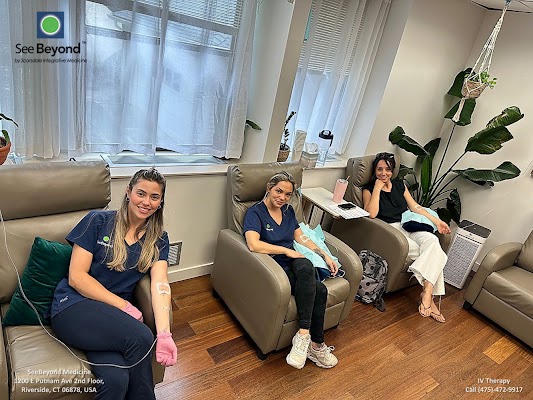
Integrative cancer therapy does not endorse replacing medical treatment with unproven alternatives. When patients ask about natural integrative oncology cures, we pivot to integrative oncology evidence based practices and open discussion about risks and the primacy of disease-directed care. Herbal blends marketed for calm can interact with endocrine therapy or chemotherapy. Intravenous vitamins have specific indications, but IV therapy is not a stress solution and may complicate care. The integrative oncology physician’s role includes saying no when safety is at stake and steering toward therapies that help without harm.
Closing the loop: what patients and clinicians can expect
Stress will remain part of cancer care. The question is whether it runs the show. Mind-body techniques, delivered within integrative cancer care, give people levers they can pull daily. Not every lever works for everyone. The craft lies in tailoring, tracking, and adjusting. Over time, five-minute anchors, weekly supports like acupuncture or group sessions, and structured sleep work build a different baseline. Blood pressure at check-in runs lower, conversations feel less rushed, and the body has a better shot at recovery between treatments.
That shift does not require a monastery or endless time. It asks for steady practice, honest collaboration, and a willingness to use simple tools well. Integrative oncology supportive care excels at that blend. Patients feel seen as whole people, clinicians get clearer signals about what matters week to week, and the treatment plan benefits from a steadier partner in the patient’s own nervous system.
For anyone starting this path, begin with breath. Pair it with a short body scan for one week, morning and evening. Note what changes. Bring that observation to your next integrative oncology consultation. Build from there, one practice at a time, linked to the care that is already underway. That is how stress management in holistic oncology becomes real: not as an extra chore, but as a thread woven through treatment, recovery, and the return to a life that makes sense again.